Espresso lifestyle in Albania – life over a cup of coffee
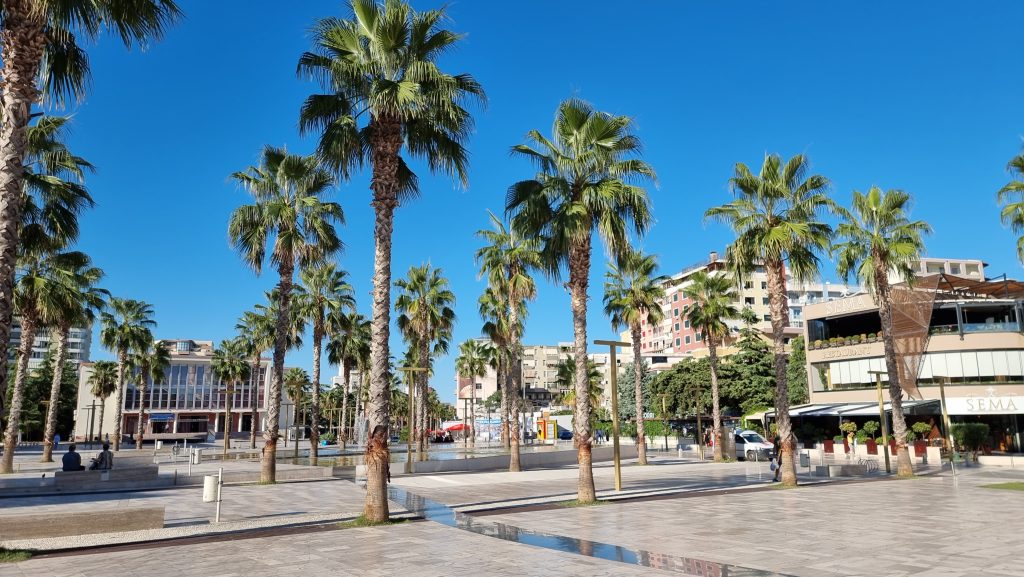
Durres – a place where time flows more slowly
Durres is a coastal city in Albania where daily life moves at a completely different pace than in countries like Poland. There’s no room for the rat race or constant rushing here. Residents live peacefully, Mediterranean-style, and without unnecessary stress. Time seems to flow more slowly, and people value moments more than clocks.
Café instead of office
In Albania, and especially in Durres, the café is your second home. That’s where you conduct business, meet with friends, and discuss family matters. Instead of inviting someone to your apartment, you arrange to meet them for coffee at a nearby place. Even professional matters or official meetings take place over a small espresso, in a relaxed atmosphere, without office stiffness.
Espresso that defines the day
How to order coffee?
Just say “caffé” if you want classic espresso. If you feel like having a bit of milk, ask for “macchiato.” That’s it – simple and uncomplicated.
Price and quality
A cup of perfect espresso costs about 2 zloty. Despite the low price, the coffee quality is very high. Popular here are blends from Italian roasters like Pascucci, Ama, or Lavazza. In every establishment, coffee is brewed with care and served with class.
Coffee is a daily ritual
Albanians don’t drink coffee in a hurry. It’s a ritual that’s celebrated every day. Every self-respecting resident of Durres goes out at least once a day to their favorite café to recharge with energy and sunshine – which accompanies them most of the year, shining even for 300 days.
The café is the center of social life
Social gatherings mostly take place outside the home – in cafés. Friends don’t drop by each other’s places for tea, but arrange to meet at an outdoor table. Conversations flow over coffee, and time spent together is more than just a moment of relaxation – it’s a daily form of being together.
Coffee brewing tradition
In many families, the ability to brew Turkish coffee is a tradition. Young girls learn this art early, because for future in-laws it can be an important test of culinary resourcefulness. It’s not just a drink – it’s a symbol of care, hospitality, and family values.
