Winter in Albania – What You Need to Know?
Can Winter in Albania Be Surprising?
Albania is most often associated with sun, blue skies, and summer holidays on the Adriatic or Ionian Sea. However, winter in this country can be surprising – both with the beauty of its snow-capped mountains and the challenges of daily life. What should you know about winter conditions in Albania?
Snow and Precipitation – A Typical Albanian Winter
Albania – A Land of Mountains and Snow
Up to 79% of Albania’s territory is mountainous, making snow an absolutely normal phenomenon there during the winter season. Children in mountain villages build snowmen, go sledding, and some roads can become impassable due to snowdrifts.
The heaviest snowfall is recorded in the eastern part of the country, where the continental climate meets the mountain climate. Snow can remain there for weeks, especially in the higher parts of the Albanian Alps, Skanderbeg Mountains, and Pindus Mountains.
Snow by the Sea Too
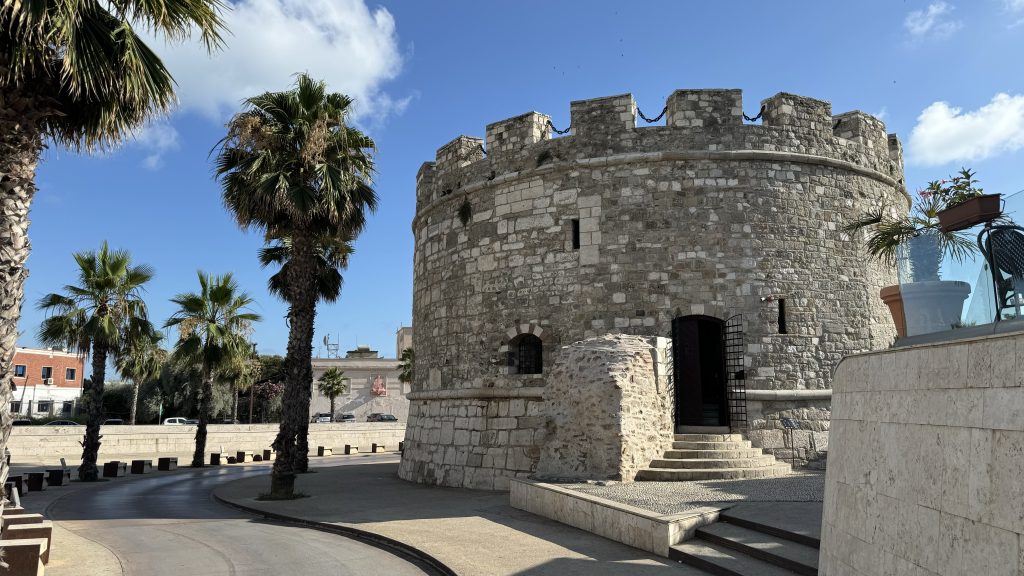
Although the coast rarely experienced snowfall in the past, recent winters tell a different story. In the last few years, snow has even appeared in towns like Durres, Vlora, and Saranda – summer resorts known for high temperatures and palm-lined boulevards.
This phenomenon is not yet the norm, but it is occurring more and more frequently. As a result of these climate changes, many frostbitten palm trees and damaged Mediterranean vegetation can be observed.
Winter Weather – Rain, Storms, and… Power Outages
Heavy Rains and Strong Winds
In coastal areas, a typical Albanian winter primarily means intense rainfall. It rains continuously for several days, often accompanied by strong winds, and the sky remains covered with heavy clouds.
These rains can be so intense that they cause local flooding and landslides, especially in mountainous areas. Storms are frequent, and with them come infrastructure problems – particularly with electricity supply.
Power Supply Issues
During severe storms, power outages often occur. Many cities experience such interruptions several times a day. They usually last from a few minutes to several hours. Although local services respond quite efficiently, outages in smaller towns can be more disruptive.
Winter Temperatures – Cold Even by the Sea
The Coast
The Coast
Mountains and the East of the Country
In mountainous regions and the east of the country, daytime temperatures are often around 0°C, and night frosts occur. Nevertheless, Albania is not entirely without harsh winters – there are periods when thermometers show -10°C, and snow lies in a thick layer for many days.
Skiing in Albania – Wild Slopes for Advanced Skiers
Where to Ski in Albania?
Although Albania is not yet a well-known skiing destination, there are several resorts in the mountains that attract winter sports enthusiasts – especially those looking for challenges.
- Shishtavec (Kukës district) – one of the more well-known places for skiing, located close to the border with Kosovo.
- Puka (near Shkodra) – a small resort with challenging slopes.
- Korça and surrounding areas – a region often covered in snow, where natural downhill slopes can be found.
Lack of Infrastructure – Lifts Often Missing
Skiing in Albania is not like what is known from the Alps or Tatras. Ski lifts are often missing, so winter sports enthusiasts must climb the slopes on their own. For this reason, the slopes are recommended mainly for advanced and technically well-prepared skiers.
Life in Winter – How Do Residents Cope?
Lack of Central Heating
Most Albanian homes – especially on the coast – do not have central heating systems. Residents cope in various ways: they use air conditioners with heating functions, fan heaters, or electric heaters. Unfortunately, such solutions do not always provide adequate thermal comfort, especially in larger, uninsulated buildings.
Cold Homes and High Bills
The result of a lack of insulation and central heating is a feeling of cold, even if the outside temperature is not very low. Many families limit heating to one room, which can be very inconvenient in winter – especially for the elderly and children.
