Religious Tolerance in Albania
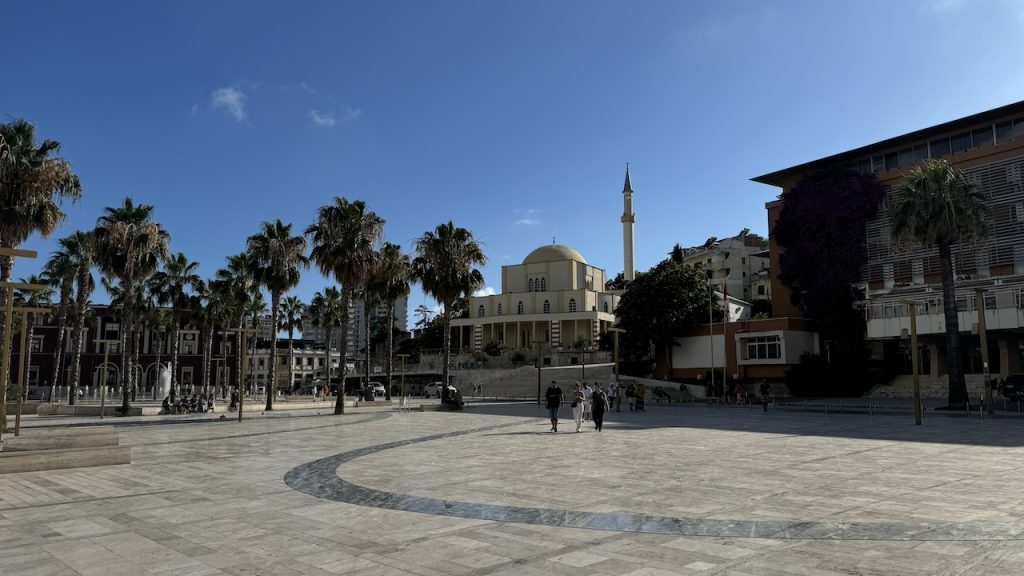
Albania is one of those countries that can surprise you. Not only with its nature or the hospitality of its residents, but also with its unique approach to religion. It is here that mosques, Orthodox churches, and Catholic churches function side-by-side every day – often just a few steps from each other. This is the reality, for example, in Tirana, where religious diversity is visible at every turn.
Tolerance in Practice – Holidays for Everyone
Albania can boast the highest number of public holidays due to religious celebrations in all of Europe – as many as 13 of them are faith-related observances. Interestingly:
- Easter and Christmas are celebrated twice – in both Catholic and Orthodox rites.
- The calendar also includes public holidays related to Islam, such as the end of Ramadan and Eid al-Adha.
- October 19 marks the Beatification Day of Mother Teresa of Calcutta, who was born in Skopje but came from an Albanian family.
The Intricate History of Religion in Albania
Albania’s history is a story of changes and difficult choices:
- After the fall of Constantinople, the influence of the Catholic Church grew, supported, among others, by the Venetian Republic.
- The period of Ottoman rule brought forced Islamization – professing Islam was often a condition for retaining property, social status, or avoiding repression.
- Albania only regained independence on November 28, 1912.
A Country Without Religion? This Was Truly the Case
The most radical turn occurred during the dictatorship of Enver Hoxha (1944–1985), when religion was… completely banned.
- In 1967, Albania declared itself the world’s first atheist state.
- Places of worship were demolished, and their place was taken by production halls, warehouses, or cultural centers.
- The new constitution of 1976 officially prohibited the formation of religious communities.
Return to Faith and a New Era
After Hoxha’s death, the situation gradually began to change:
- In 1988, the reconstruction of places of worship began.
- In 1991, relations with the Holy See were resumed.
- Albania was recognized as a secular state – religion is an individual matter, and all faiths are treated equally.
Symbolic Leaders and the Spirit of Unity
For Albanians, the most important thing is not religious division, but a common identity. A good example is the national hero – Skanderbeg – who changed his faith three times in his life, but remained a symbol of the struggle for freedom and unity.
Popes also recognize Albania’s uniqueness – both John Paul II in 1993 and Francis in 2014 visited the country, emphasizing its unique model of coexistence among different religions.
“Mutual respect and trust among Catholics, Orthodox, and Muslims is a precious gift for this country.” – Pope Francis, Tirana 2014
